Introduction
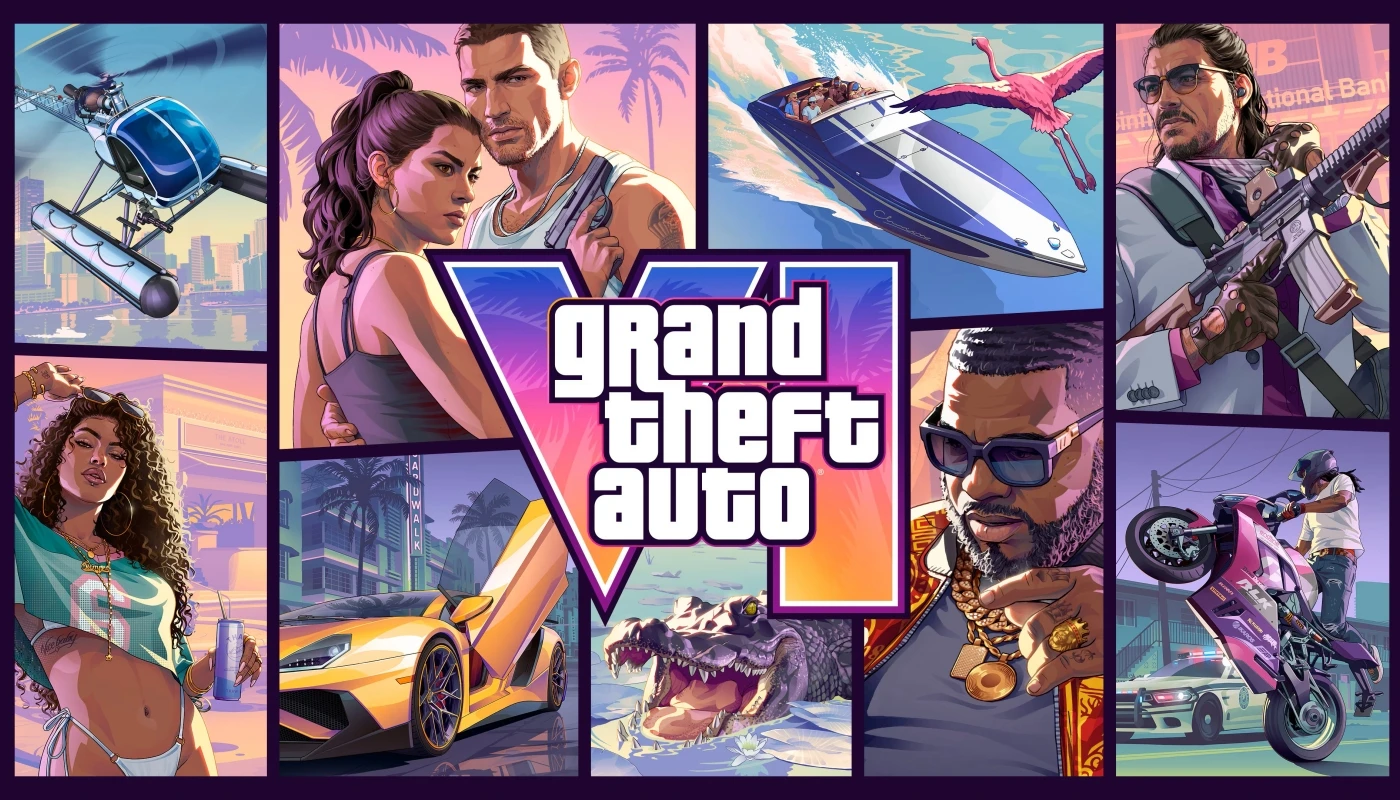
When Grand Theft Auto VI finally arrived on PlayStation 5 and Xbox Series X|S on November 19, 2026, after a thirteen-year wait, multiple delays, and unprecedented hype, nobody expected the gaming world to fracture straight down the middle. Yet within days of launch, one of the widest divides in modern gaming history emerged. On one side, mainstream critics showered Rockstar Games with near-unanimous praise—pushing GTA 6 to an astonishing 99 Metacritic average, tying The Legend of Zelda: Ocarina of Time as one of the highest-rated games ever reviewed. On the other side, the player base erupted into fierce debate, dragging user scores down toward the 5.5 mark amid complaints over a strict 30 FPS console cap, heavy CPU bottlenecks during chaotic explosions, console overheating crashes, a slower slice-of-life narrative, and two protagonists—Jason and Lucia—who feel remarkably subdued compared to the iconic legends of Grand Theft Auto’s past.
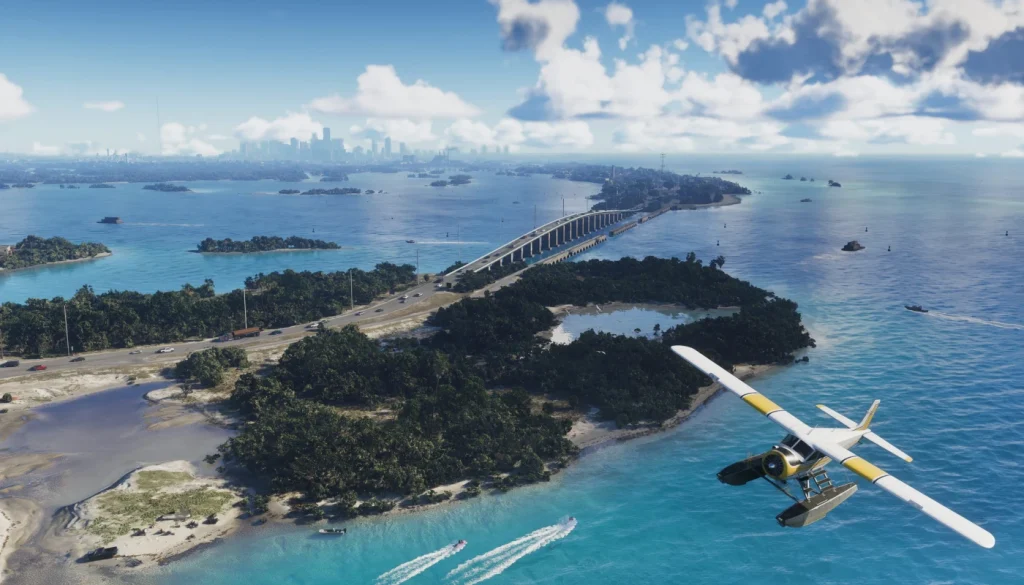
At the exact same time, virtually everyone—critics and skeptics alike—agrees on one undeniable truth: the underlying game engine powering Leonida is borderline sorcery. The sheer scale of the map (roughly double the footprint of GTA V’s San Andreas), the ray-traced lighting, the persistent NPC routines, the realistic water and weather physics, and the staggering number of simultaneous world interactions feel less like a standard console release and more like a glimpse a full hardware generation into the future.
Which brings us to a fascinating Fanboy 4 Life Fan Theory: What if Rockstar Games knew launch-day GTA 6 wasn’t the final evolution of its vision—and intentionally shipped this version of Leonida as the largest live global stress test in video game history?
The Great Divide: A 99 Critic Score vs. a Restless Community
To understand why this theory holds so much weight, you first have to look at the strange contradiction at the heart of GTA 6’s launch week.
For gaming journalists and early-access reviewers, GTA 6 was experienced under controlled conditions—often on PS5 Pro hardware over 70-to-100-hour marathons focused heavily on soaking in the atmosphere, appreciating the slow-burn relationship between Jason and Lucia, and marveling at small environmental details like scuffs on floorboards and seamless horizon sight lines. In that environment, a locked 30 FPS frame rate felt “cinematic”, and lingering car conversations or everyday errands felt like an artistic evolution beyond Red Dead Redemption 2.
Once millions of everyday players booted up the game on launch day, however, the cracks—and the creative compromises—became impossible to ignore:
- The 30 FPS Ceiling and CPU Bottlenecks: Technical breakdowns from outlets like Digital Foundry confirmed that GTA 6’s dense simulation of Leonida pushes current console CPUs to their absolute breaking point. Even on the PS5 Pro, there is no 60 FPS performance mode. Worse, on base consoles, heavy firefights and chain-reaction explosions can drag frame rates down into the low 20s, while some older PS5 units have even suffered thermal shutdowns and
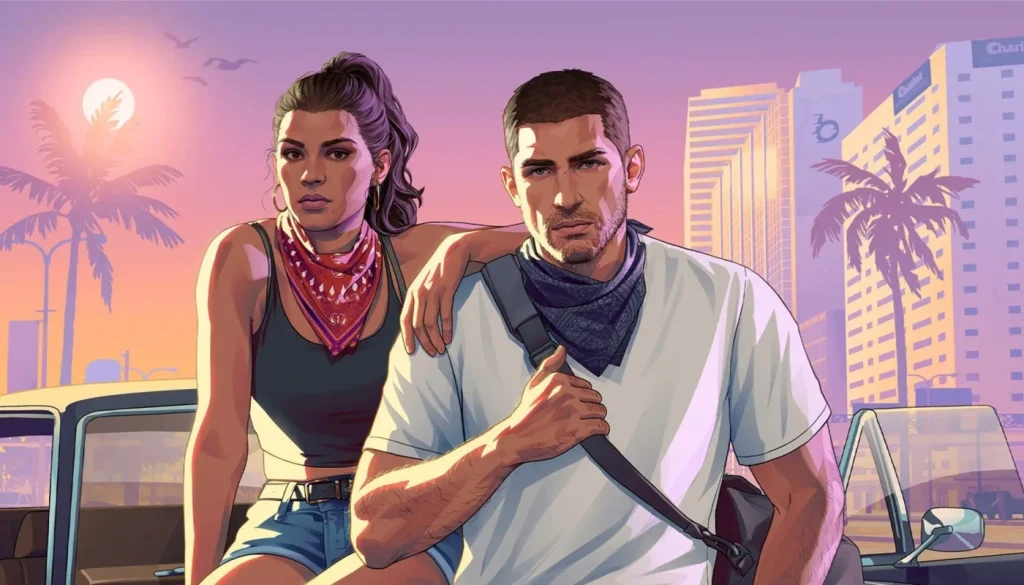
CE-108255-1crashes under the relentless hardware load. - A Safe, Slow-Burn Story That Lacks Classic GTA Bite: Beyond performance, a massive segment of longtime fans has pointed out a glaring narrative issue. Grand Theft Auto built its empire on larger-than-life, quotable, morally unhinged icons. Think about Tommy Vercetti taking over Vice City with ruthless Scarface swagger, Carl “CJ” Johnson rising from Grove Street gang wars to jetpack-stealing madness, or Michael, Franklin, and Trevor bouncing off one another in GTA V with explosive, satirical energy. By comparison, Jason and Lucia are written as grounded, cautious, domestic partners trying to survive day-to-day life. While grounded realism works for a prestige crime drama, it leaves a massive void for players expecting GTA’s signature anarchic charisma. Unless Rockstar injects sharper edge, higher stakes, or bold post-launch expansions, Jason and Lucia risk becoming the most forgettable leads in the modern era of the franchise.
- An Engine Too Big for Current Hardware: Paradoxically, the very thing holding back the frame rate and demanding so much development bandwidth is what makes GTA 6 mesmerizing: Rockstar’s upgraded RAGE (Rockstar Advanced Game Engine) is running an unprecedented number of interlocking systems simultaneously.
Why would a perfectionist studio famous for delaying games until every frame and joke is razor-sharp release a title with a rigid 30 FPS cap and a restrained, cautious storyline?
The Core Theory: Why Rockstar Needed 20+ Million “Beta Testers”
No matter how many billions of dollars Take-Two Interactive invests or how many thousands of QA testers Rockstar employs across its global studios, there is no laboratory on Earth capable of simulating millions of real human players trying to break a physics engine at the exact same time.
Think about what happens inside GTA 6’s version of Leonida compared to GTA V’s Los Santos:
- Twice the Geographic Scale: Leonida isn’t just wider; it is denser, combining sprawling urban districts, coastal keys, swamplands, interior spaces, and dynamic ecosystems.
- Hyper-Dense NPC and Traffic Simulation: Every pedestrian, driver, wildlife entity, and law enforcement unit runs complex behavioral routines, social media reactions, and real-time pathfinding.
- Ray-Traced Lighting and Real-Time Physics: Water displacement, vehicle deformation, weather fronts, and global illumination are calculated dynamically across vast sight lines.
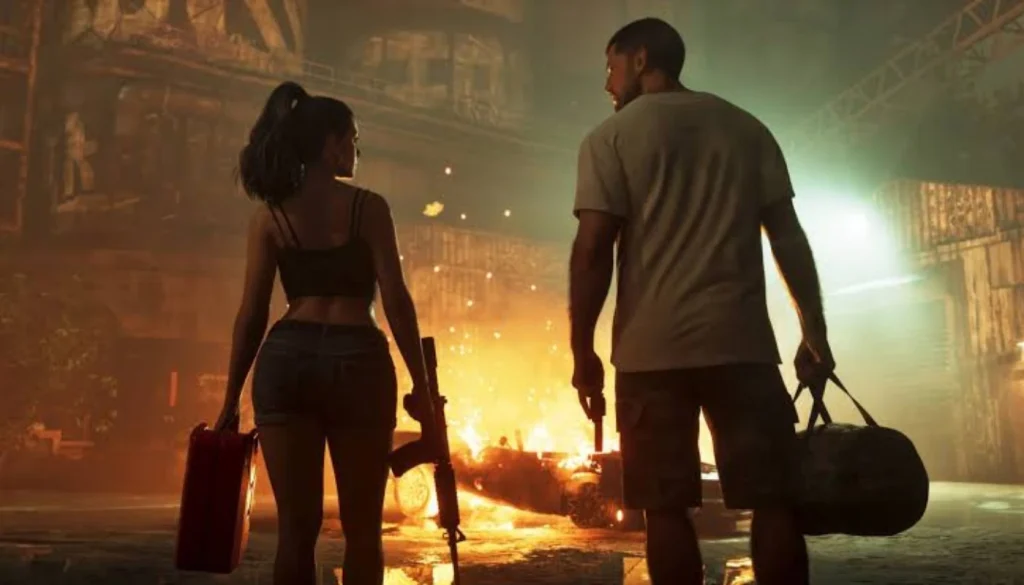
In internal QA testing, developers test scripted missions, predictable driving routes, and controlled stress scenarios. In the real world, twenty million players immediately start stacking fifty explosive vehicles inside a nightclub district, triggering maximum wanted levels during a tropical storm, driving speedboats onto highways, and pushing memory streaming and CPU threads into edge cases no studio could ever script in advance.
Under our fan theory, Rockstar and Take-Two reached a strategic crossroads in 2026:
- Investor pressure and a 13-year gap since GTA V meant delaying GTA 6 into 2027 or 2028 on console was financially and culturally impossible.
- At the same time, Rockstar’s engineers had built a next-generation RAGE engine foundation designed not just for a single-player campaign, but for the next ten to fifteen years of Rockstar’s business—spanning GTA Online 2, the inevitable PC release, PlayStation 6 / next-gen Xbox ports, and future franchises like Red Dead Redemption 3 or a brand-new IP.
- To optimize an engine of that magnitude, Rockstar needed real-world global telemetry—millions of hours of crash logs, thermal profiles, CPU thread bottlenecks, streaming hitches, and player behavior data harvested from living rooms around the globe.
In short, shipping GTA 6 on current-gen consoles at 30 FPS wasn’t an admission of defeat. It was Phase One of a live global stress test.
Explaining the Story Trade-Off: Why Jason and Lucia Feel So “Safe”
If the global stress-test theory explains the technical compromises, it also sheds fascinating light on why the campaign and protagonists feel so noticeably toned down compared to Vice City, San Andreas, and GTA V.
When a studio is building an experimental, generation-leaping simulation engine from the ground up, engineering bandwidth is the scarcest resource in the building. Every mission in a classic Grand Theft Auto game relies heavily on bespoke scripting—custom animations, unique set pieces, outrageous physics gags, and branching chaos. Look back at GTA San Andreas (stealing a jetpack from Area 69, flying a crop duster onto a commercial jet, gang territory wars) or GTA V (derailing a freight train, pulling a mansion off a hillside, switching between three wildly different personalities mid-heist). Those unforgettable moments required massive amounts of custom mission scripting on top of a stable, well-understood engine.
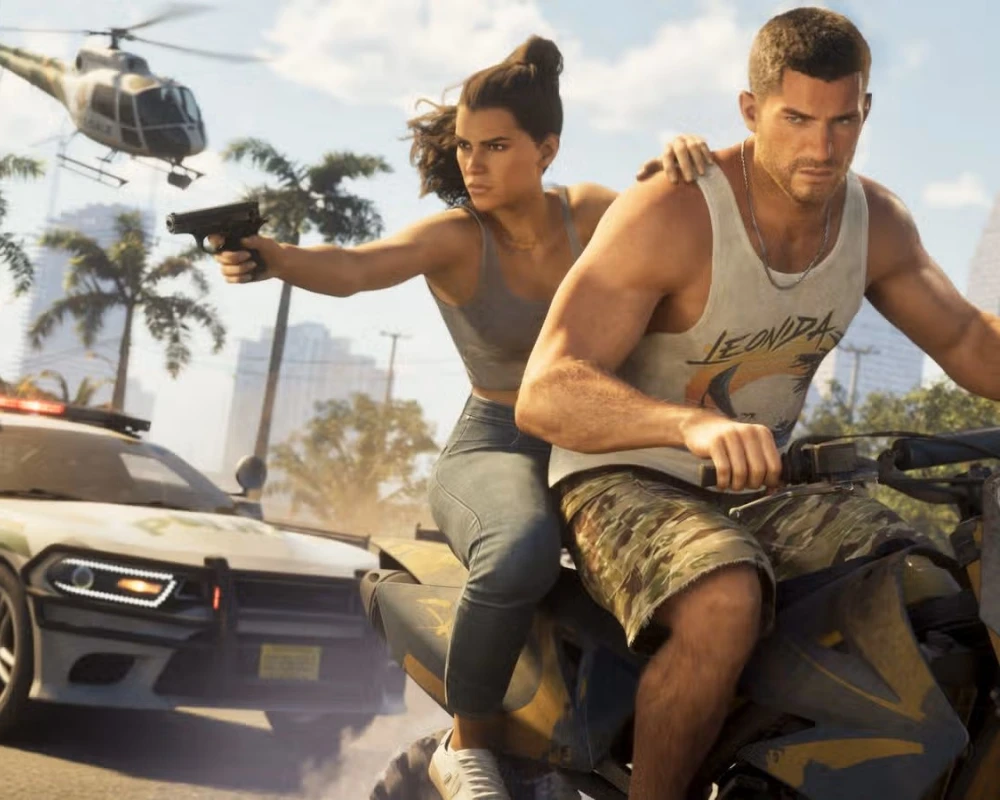
With GTA 6, Rockstar poured the lion’s share of its creative and engineering energy into making the world itself function as a living, breathing sandbox. Instead of building dozens of over-the-top, heavily scripted theatrical stunts that might break the fragile new simulation engine, the narrative team leaned into a slower, intimate, grounded crime-couple story centered on Jason and Lucia’s day-to-day survival, errands, and relationship dynamics.
That design choice explains two major complaints from longtime fans:
- Why the pacing feels sluggish: Slower, grounded missions keep players moving through Leonida at a measured pace—giving the console CPU and SSD time to stream assets without constant crashes, while letting Rockstar gather clean baseline performance data.
- Why Jason and Lucia lack lasting cultural punch (for now): Tommy Vercetti, CJ, Niko Bellic, and Trevor Philips were larger-than-life caricatures of the American Dream gone wrong. Jason and Lucia, by contrast, feel like ordinary people caught in criminal circumstances—relatable to critics looking for prestige storytelling, but far less memorable to fans who quote GTA lines for decades.
History Repeats Itself: The GTA IV to GTA V Blueprint
If this theory sounds bold, look closely at Rockstar’s own history—because Rockstar has executed this exact playbook once before.
In April 2008, Rockstar released Grand Theft Auto IV on PlayStation 3 and Xbox 360. Just like GTA 6 in 2026, GTA IV earned near-perfect scores from critics (a 98 on Metacritic) while dividing the hardcore fanbase. Players complained that:
- The frame rate dipped constantly into the low 20s on console.
- The driving physics felt heavy and sluggish compared to San Andreas.
- Millions of beloved sandbox features—planes, tanks, parachutes, property buying, gym workouts, and over-the-top humor—were stripped out.
- Niko Bellic’s grounded, melancholic immigrant story felt somber compared to CJ’s wild adventures.
Why did GTA IV launch that way? Because GTA IV was Rockstar’s first major outing on the brand-new RAGE engine and Euphoria physics system. Rockstar needed to get that foundational tech out into the wild, stress-test how consoles handled real-time physics and open-world streaming, and learn where the bottlenecks lived.
And look what happened once Rockstar mastered that engine through real-world data:
- First, they released two sharper, punchier narrative expansions (The Lost and Damned and The Ballad of Gay Tony) that injected pure Vice City-style energy back into Liberty City.
- Next, they used the refined RAGE engine to create Red Dead Redemption (2010), one of the greatest Westerns ever made.
- Finally, in 2013, they unleashed Grand Theft Auto V—taking everything they learned from GTA IV’s technical bottlenecks and delivering three unforgettable protagonists (Michael, Franklin, and Trevor), tight arcade-precision controls, and a blockbuster spectacle that sold over 200 million copies.
GTA IV was the rough, ambitious tech foundation; GTA V was the polished, cultural juggernaut built on top of it.
What Happens Next: How This Stress Test Shapes Rockstar’s Future
If launch-day GTA 6 really is Rockstar’s global stress test for its next-generation RAGE engine, players shouldn’t view the current compromises as the end of the story—they should view them as the starting line.
Here is how Rockstar can leverage the data pouring out of Leonida right now to deliver the next wave of true Vice City, San Andreas, and GTA V-level classics:
1. The PC Port and Next-Gen Console Overhaul (60 FPS Unlocked)
Right now, console hardware is the primary bottleneck holding Leonida back at 30 FPS. Every crash report, thermal spike, and explosion slow-down being logged across millions of PS5 and Xbox consoles is giving Rockstar’s engine architects a crystal-clear roadmap of how to optimize multi-core CPU scheduling and memory streaming. When GTA 6 eventually arrives on high-end PCs—and inevitably launches as a flagship showcase on next-generation PlayStation and Xbox hardware—that stress-tested engine will finally breathe at a silky 60 FPS and beyond.
2. Narrative Expansions & GTA Online Course Corrections
Rockstar listens closely to player engagement data—not just review scores. If telemetry shows players rushing through slower relationship errands to get back into sandbox chaos, Rockstar has the ultimate canvas in Leonida to pivot. Whether through bold, Ballad of Gay Tony-style single-player story expansions or major GTA Online narrative updates, Rockstar can introduce wilder, more charismatic anti-heroes—or push Jason and Lucia into darker, higher-stakes territory that gives them the memorable edge fans are craving.
3. Powering the Next Decade of Blockbusters
Most importantly, this insane game engine—capable of simulating an entire living state twice the size of GTA V—is now battle-tested on a planetary scale. Once Rockstar smooths out the rough edges, that exact technology will serve as the launchpad for Red Dead Redemption 3, potential revivals of dormant classics like Bully or L.A. Noire, and eventually GTA 7—without requiring another thirteen-year development drought.
Verdict: A Regrettable Reality for Fans, Yet a Potentially Brilliant Long-Term Play
Critics may see a 99/100 masterpiece, while longtime GTA fans see a 30 FPS sandbox with a subdued storyline that pales next to the golden era of Tommy Vercetti, CJ, and Trevor. Both groups are looking at pieces of the exact same puzzle.
At the same time, even if our theory proves completely right, it is deeply regrettable that loyal fans had to be the ones bearing the brunt of this experiment. Players waited thirteen years, paid steep launch prices ($79.99 for the Standard Edition and $99.99 for the Ultimate Edition), and invested their time and trust into Rockstar Games expecting a flawless, generational triumph on day one. Being handed a locked 30 FPS experience, performance dips during chaotic gunfights, and a cautious, slow-burn narrative understandably feels like a letdown—and it leaves a dent in the goodwill Rockstar spent decades building.
Still, history shows that Rockstar rarely leaves its foundations unfinished. The studio built an engine so ambitious that current-gen consoles can barely contain it—and to get it across the finish line in November 2026, it traded explosive narrative charisma and 60 FPS fluidity for world-building stability. If launch-day Leonida really is Rockstar’s global stress test, then the real-world data pouring in right now will allow the studio to optimize its next-gen RAGE engine, expand GTA 6 into something far bolder, and hopefully deliver a new wave of unforgettable hits that stand shoulder-to-shoulder with Vice City, San Andreas, and GTA V in the years ahead.

References
- igor’sLAB — GTA VI: Why 30 FPS Is Suddenly Being Celebrated as Art
- Digital Foundry — Review: Grand Theft Auto 6: A Landmark Achievement That Redefines a Console Generation
- Men’s Journal — Despite Being the Highest Rated Game of All Time, ‘GTA 6’ Leaves Fans Harshly Divided
- Notebookcheck — GTA 6 Metacritic User Score Opens at 5.2/10, Prompting Review Bombing Accusations
- Notebookcheck — GTA 6 at 60 FPS on PC May Cost Less Than Expected, Geekerwan Estimates
- IGN — I’ve Played the First 30 Minutes of GTA 6 on Every Console, Here’s How Performance Compares