
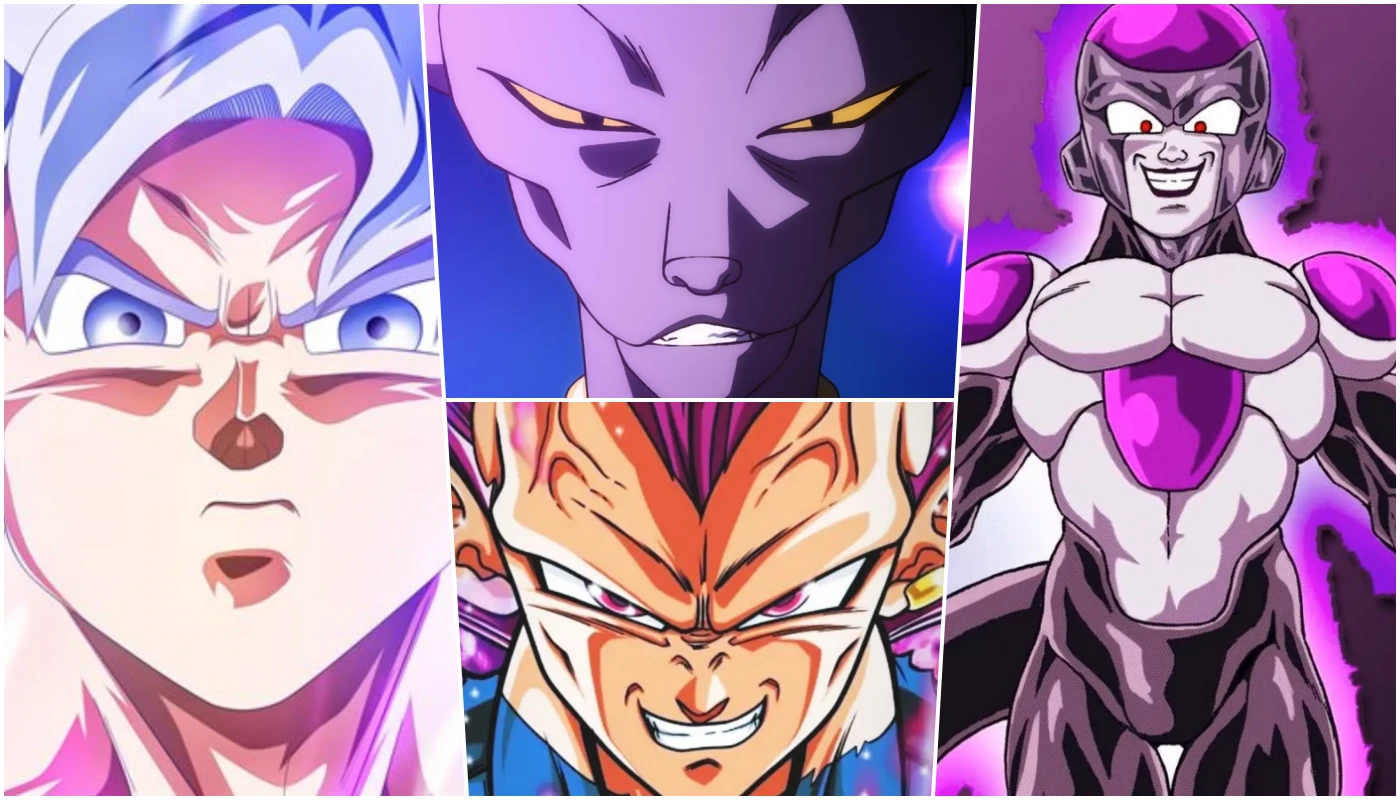
For longtime Dragon Ball fans, 2026 has felt like standing in the eye of a cosmic storm—equal parts exhilarating and deeply bittersweet. Following the devastating loss of creator Akira Toriyama, the global fanbase watched the franchise take an unexpected detour into the Demon Realm with Dragon Ball DAIMA. It was charming, nostalgic, and undeniably fun, yet it left a massive elephant sitting right in the middle of Universe 7: what happens next in the main timeline?
Now that Dragon Ball Super has finally returned to television with Dragon Ball Super: Beerus—complete with its newly launched English dub—the series didn’t pick up after the smoke cleared from the Tournament of Power. It didn’t jump straight into the Moro invasion, the Granolah conflict, or the terrifying arrival of Black Frieza. Instead, Toei Animation hit the rewind button and took us all the way back to the very beginning of the God of Destruction era.
While Toei has officially confirmed that Dragon Ball Super: The Galactic Patrol (the long-awaited Moro arc anime adaptation) is actively in production, rewinding back to square one while Black Frieza still looms unresolved over the manga can feel like an agonizing tease. Every fan wants to know how the story moves forward. Every fan wants to see what awaits Goku and Vegeta beyond Planet Cereal.
Yet something extraordinary happens when you go back and watch Dragon Ball Super: Beerus with the full weight of hindsight.
When you revisit Beerus’s awakening, his prophetic dream, his duel with Super Saiyan God Goku on King Kai’s planet, and his sudden decision to spare Earth, the surface-level comedy gives way to something far more calculating. Beerus sparring with Son Goku and sparing Bulma’s birthday party was never just about delicious Earth food or a single cup of pudding.
When you connect the narrative breadcrumbs stretching from Episode 1 of Dragon Ball Super: Beerus all the way through the Galactic Patrol Prisoner arc and the Granolah the Survivor arc, a massive, cohesive theory snaps into focus—one suggesting that Beerus and Whis have been running a deliberate, two-track cosmic experiment on Goku and Vegeta from day one.
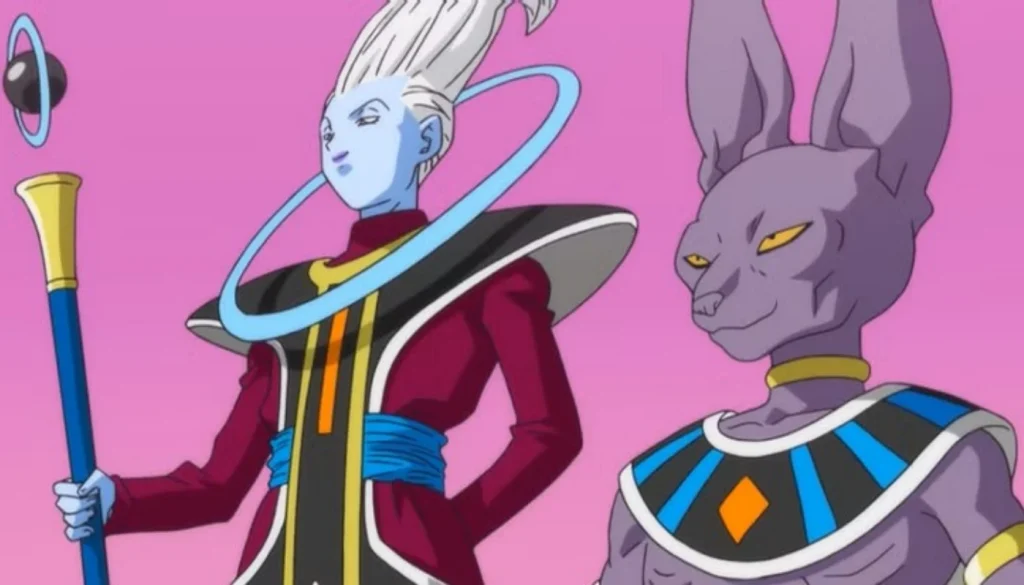
1. The Illusion of the Lazy Destroyer: Rewatching Dragon Ball Super: Beerus With Hindsight
To understand Beerus’s true endgame, we first have to dismantle the biggest misconception in Dragon Ball Super: the idea that Beerus is merely a lazy, impulsive cat-god who stumbled onto Earth by accident and stuck around for snacks.
On the surface, Beerus plays the part brilliantly. He naps for decades at a time. He blows up half a planet because the cuisine was too greasy. He throws a tantrum over pudding. It is classic Akira Toriyama misdirection—hiding monumental lore behind slapstick humor.
Look closer at Beerus’s actions in Dragon Ball Super: Beerus and ask yourself one simple question: Since when does a God of Destruction tolerate mortals speaking to him as equals, let alone allow them to live on his sacred planet and train under his personal Angel attendant?
Throughout Universe 7’s history, Beerus operated by a single rule: absolute, unquestioned annihilation. Kings bowed in terror. Galactic emperors like King Cold and Frieza trembled at the mere mention of his name. Nobody challenged Beerus, nobody sparred with him for fun, and nobody moved onto his world.
Yet the moment Beerus encountered Son Goku—and shortly afterward, Vegeta—everything changed. Even after discovering that Super Saiyan God Goku wasn’t quite strong enough to push him to his absolute ceiling, Beerus didn’t destroy Earth. He didn’t erase Goku. Instead, he faked falling asleep to spare the planet, returned to his temple, and opened the doors of his divine sanctuary to two mortal Saiyans.
Why? Because Beerus recognized something that nobody else in Universe 7 could see. The multiverse was changing. Zeno’s patience was thinning. Old galactic threats were evolving beyond standard mortal limits. And Beerus—a deity who had spent millions of years bound to a rigid, exhausting cosmic job—realized he needed something he had never bothered to cultivate before: weapons—and potentially, a successor.
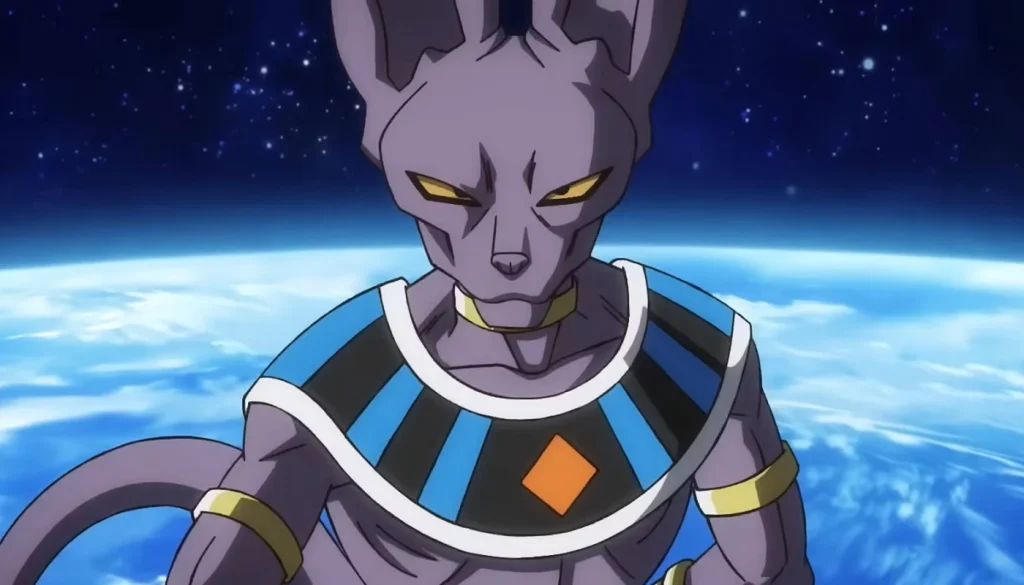
2. The Two-Track Cosmic Experiment: Angel vs. Destroyer
If Beerus and Whis simply wanted to make Goku and Vegeta stronger in a general sense, they would have trained both Saiyans using the exact same methods. After all, that is how Goku and Vegeta trained for years—pushing through higher gravity, unlocking sequential Super Saiyan transformations, and chasing identical power-ups.
Instead, from the moment Whis agreed to train Vegeta (and shortly thereafter, Goku) on Beerus’s planet, the two divine mentors quietly split the Saiyan rivals onto two completely opposite cosmic tracks.
| Cosmic Dimension | Son Goku | Vegeta |
| Primary Divine Mentor | Whis (Attendant Angel of Universe 7) | Beerus (God of Destruction of Universe 7) |
| Assigned Cosmic Path | The Angelic Path | The Destroyer Path |
| Core Mental Discipline | Serene emptiness, zero ego, autonomous movement | Unbridled battle lust, royal pride, pure destruction |
| Primary Combat Weakness | Overthinking, letting his guard down, mercy | Guilt over Saiyan history, rigid tactical over-analysis |
| Ultimate Divine Technique | Autonomous Ultra Instinct | Ultra Ego (Wagamama no Gokui) |
| Endgame Cosmic Role | Angel-tier autonomous protector | Candidate for God of Destruction |
Look at how deliberately Whis and Beerus divided their focus:
Whis Locked Onto Goku’s Angelic Potential
From their very first sparring sessions, Whis zeroed in on Goku. Whis immediately diagnosed the fatal flaw holding Goku back from true divinity: Goku fought with his brain rather than letting his body react independently, and he consistently dropped his guard the moment he thought a fight was won.
Everything Whis taught Goku was designed to strip away mortal emotion and ego. Whis pushed Goku toward the calm, detached, self-moving state of the Angels—a state where the mind is completely tranquil even in the middle of a cataclysmic battle. Whis wasn’t training Goku to rule, destroy, or enforce cosmic balance. Whis was shaping Goku into an Angelic martial artist, culminating in Autonomous Ultra Instinct.
Beerus Quietly Zeroed In on Vegeta’s Destroyer Soul
While Whis guided Goku toward heavenly detachment, Beerus kept a sharp, calculating eye on Vegeta.
Beerus knew from day one that Son Goku could never become a God of Destruction. Goku despises rules, rejects authority, refuses to kill unless backed into an impossible corner, and treats world-ending threats like exciting sparring partners. Putting Goku in a Destroyer’s seat would be an unmitigated disaster for Universe 7.
Vegeta, however, was built differently. Raised from birth as the Crown Prince of Planet Vegeta, Vegeta understood the weight of command, the necessity of ruthless decisions, and the reality that maintaining order sometimes requires total annihilation. While Goku chased the serene, ego-less mastery of the Angels, Beerus began subtly nudging Vegeta away from imitating Goku and toward the raw, destructive philosophy of a God of Destruction.
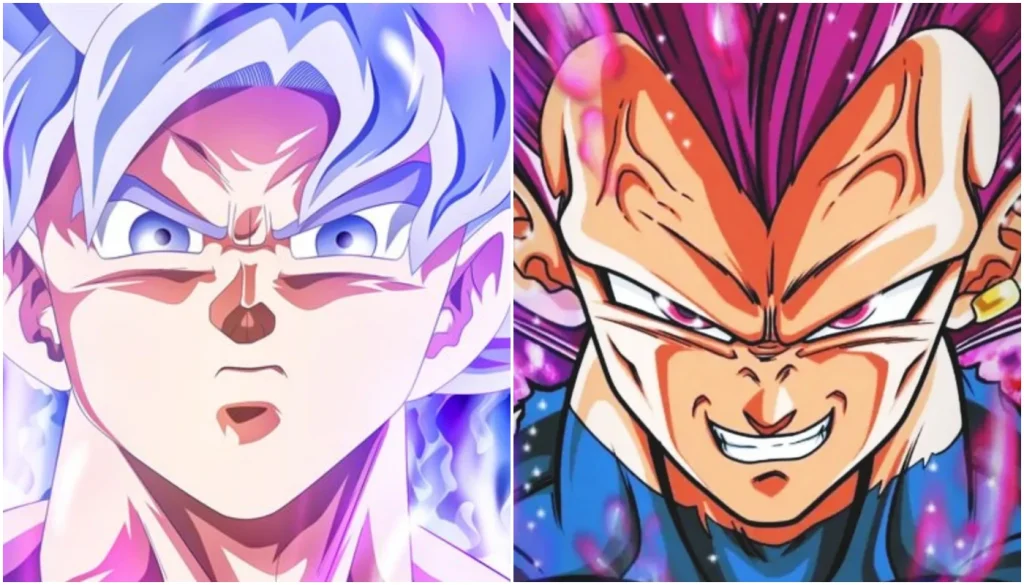
3. The Planet Vegeta Confession: Beerus’s Calculated Psychological Test
For years, fans assumed Beerus’s interest in Vegeta was purely casual—until the Granolah the Survivor arc shattered that illusion with one of the darkest, most calculated moments in Dragon Ball history.
While Goku continued refining Ultra Instinct with Whis, Beerus took Vegeta aside to teach him the signature art of the Gods of Destruction: Hakai (Destruction). Yet no matter how hard Vegeta trained, he hit an invisible wall. He couldn’t tap into the true essence of Destruction energy.
Beerus saw the problem immediately. Vegeta was chained down by guilt.
For decades after leaving Frieza’s army and building a family on Earth, Vegeta carried the silent, crushing weight of the Saiyan race’s atrocities—the planets they conquered, the civilizations they wiped out, and the blood on his own hands. Vegeta believed he had to atone for his people’s sins. And as Beerus bluntly explained, a God of Destruction cannot hesitate, regret, or carry historical baggage. To destroy without hesitation, the mind must be completely unburdened.
So what did Beerus do? He dropped a bombshell secret he had kept locked away for over forty years.
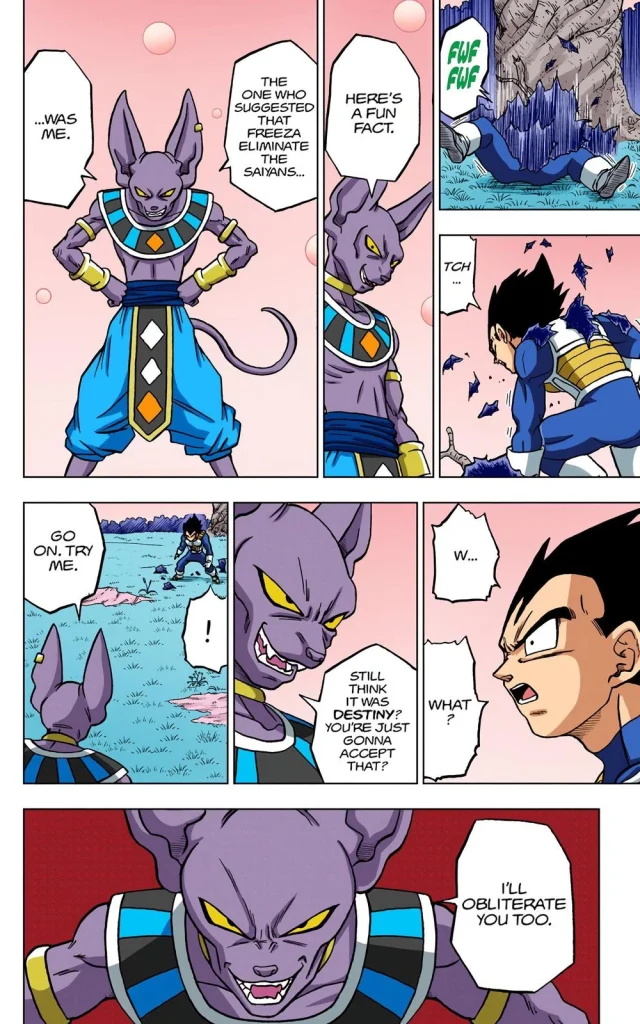
Beerus looked Vegeta dead in the eye and casually admitted that Frieza didn’t destroy Planet Vegeta on a whim—Beerus himself had authorized Frieza to wipe out the Saiyans.
Stop and think about how monumental that moment was. Beerus didn’t let that secret slip by accident. He wasn’t gloating, and he wasn’t trying to be cruel for entertainment. It was a deliberate, high-stakes psychological test.
Beerus knew that revealing his role in Planet Vegeta’s genocide would trigger an explosive emotional reaction from the Saiyan Prince. If Vegeta clung to his ancestral grief and rage, he would prove himself unfit for Destroyer power—and Beerus would likely have beaten him back down to earth. Instead, by forcing Vegeta to confront the ultimate truth of his people’s extinction, Beerus gave Vegeta the exact catalyst he needed to sever his chains to the past.
Vegeta realized that dwelling on the sins of dead Saiyans wasn’t making him stronger—it was paralyzing him. By accepting his past without letting it dictate his future, Vegeta embraced his pure, unapologetic Saiyan battle instinct and unlocked Ultra Ego—a form fueled by raw ego, battle lust, and Destruction energy that grows stronger the more damage he takes.
In that single afternoon on Beerus’s planet, Beerus didn’t just teach Vegeta a new transformation. He successfully completed Phase One of forging a God of Destruction.
4. Enter Black Frieza: Why Didn’t He Finish Them Off?
If Beerus has been systematically grooming Goku along the Angelic path and Vegeta along the Destroyer path, one massive, glaring question still hangs over the entire fandom like a storm cloud:
Why didn’t Black Frieza kill them both when he had the chance?
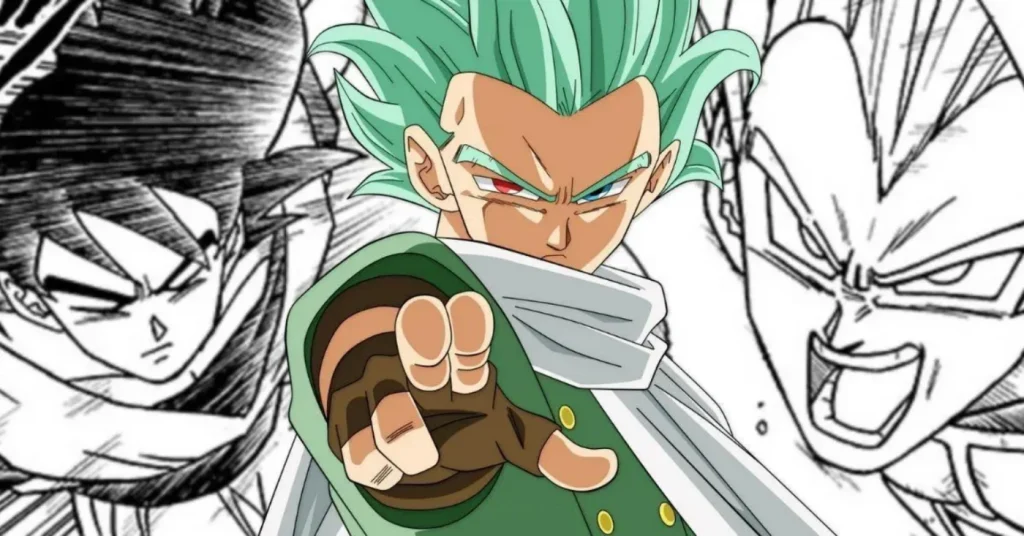
Let’s rewind to the shocking climax of the Granolah arc on Planet Cereal. Goku had just unlocked True Ultra Instinct. Vegeta had pushed Ultra Ego to its absolute limit. Both Saiyans had drained their stamina surviving a grueling war against Gas and the Heeters—and then the sky split open.
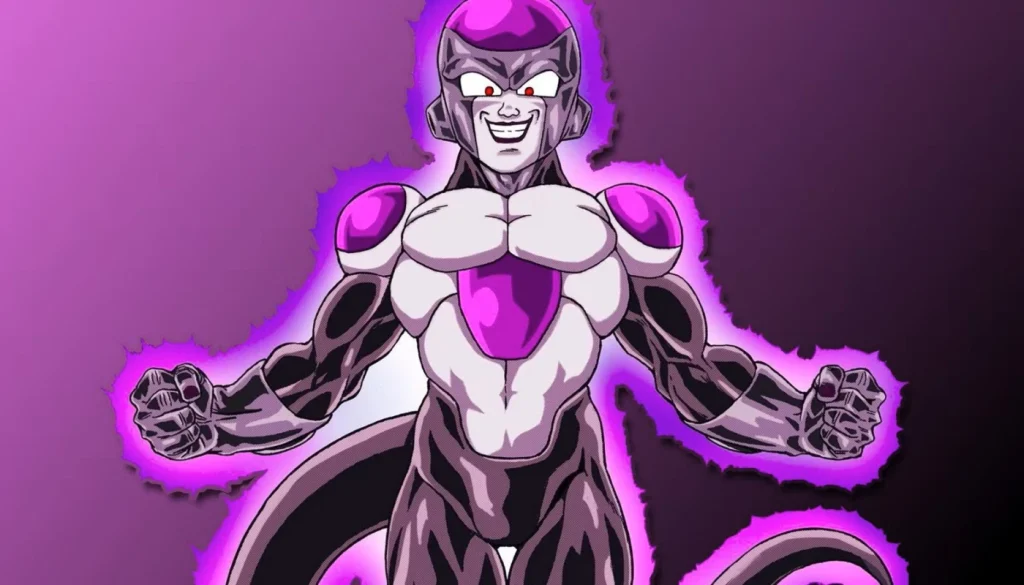
Frieza descended from the heavens, casually executed Gas with a single strike, and unveiled a transformation that sent shockwaves through the entire Dragon Ball community: Black Frieza.
Having discovered a hidden Hyperbolic Time Chamber on a conquered planet and trained relentlessly for ten years, Frieza didn’t just close the gap—he obliterated it. With a single, effortless gut punch, Black Frieza knocked both True Ultra Instinct Goku and Ultra Ego Vegeta out cold simultaneously.
He had them completely unconscious, defenseless, and at his total mercy. Nobody was coming to save them. Whis wasn’t there. Beerus wasn’t there. Frieza could have fired a single Death Beam through both of their skulls and permanently erased his two greatest enemies from existence.
Instead, the most ruthless, petty, vengeful tyrant in Universe 7 simply smiled, remarked that he hadn’t come to Planet Cereal for them, spared their lives, and blasted off into space.
Why? Why on earth would Frieza—a villain who literally blew up Earth out of spite in Resurrection ‘F’ the moment he started losing—walk away from a guaranteed double execution?
The answer lies in a chilling promise Frieza made back during the Tournament of Power.
When Frieza was resurrected for the multiversal survival tournament, his worldview expanded forever. For the first time in his life, Frieza saw the true hierarchy of the cosmos with his own eyes. He saw Beerus, the Grand Priest, and Zeno—beings who could erase entire universes with a casual wave of a hand. And standing in the ruins of the Tournament of Power, Frieza made a quiet, terrifying vow:
“One day, I will rule over all of them.”
Frieza didn’t lock himself inside a Hyperbolic Time Chamber for ten years just to settle an old score with two Saiyans on Earth. Frieza’s true target is the divine hierarchy itself—starting with Beerus.
Under this theory, Black Frieza spared Goku and Vegeta on Planet Cereal for two cold, calculating strategic reasons:
- Unwilling Wildcards Against the Gods: Frieza is a master manipulator, not a fool. Even with his terrifying Black form, Frieza knows that marching onto Beerus’s planet alone means facing both a God of Destruction and an undefeated Angel attendant. Leaving Goku and Vegeta alive ensures that Universe 7’s strongest mortals remain active variables on the chessboard. Whether Goku and Vegeta act as distractions, obstacles, or reluctant allies in a future cosmic war, keeping two god-tier Saiyans in play complicates things for Beerus far more than killing them ever could.
- The Ultimate Measuring Stick: Frieza learned the hard way on Namek and Earth that Saiyans evolve fastest when pushed to the brink of death. By effortlessly one-shotting Goku and Vegeta at their absolute peaks and walking away, Frieza sent a psychological message—and guaranteed that his two greatest rivals will push themselves into even higher divine territory, unwittingly preparing the battlefield for the inevitable clash with the gods.
5. Connecting the Dots: Beerus’s True Endgame
Now step back and look at the entire board from Beerus’s perspective.
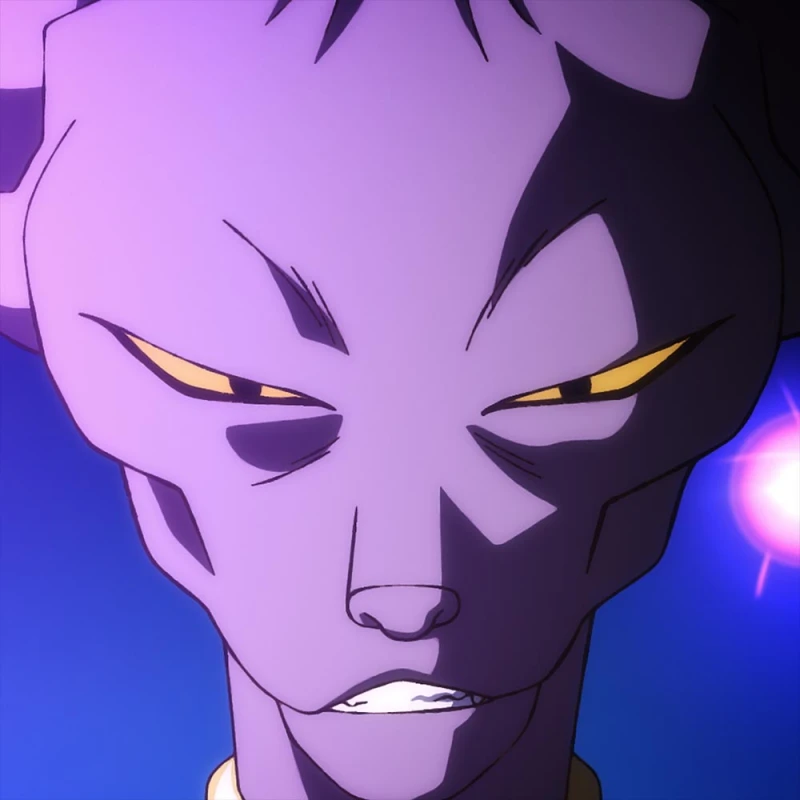
Beerus has known Frieza for decades. Beerus literally used Frieza as an outsourced agent of destruction across Universe 7. Nobody in the cosmos understands Frieza’s bottomless ambition, cunning, and refusal to kneel to anyone better than Beerus does.
And Beerus wasn’t blind during the Tournament of Power either. Beerus saw how dangerously close Universe 7 came to total erasure by Zeno. He saw mortals like Jiren surpass the power of Gods of Destruction. And he knows better than anyone that cosmic stability in Universe 7 hangs by a razor-thin thread.
When you put Beerus’s actions in Dragon Ball Super: Beerus alongside his secret training of Vegeta and the looming threat of Black Frieza, two monumental possibilities emerge for Beerus’s ultimate endgame:
Theory Possibility A: The Succession Plan (Beerus Wants Out)
In Dragon Ball Super, Gods of Destruction aren’t born into their roles—they are mortals promoted to divinity after rigorous training (just as Universe 11’s Belmod groomed Toppo to inherit his Destroyer title).
Beerus has held the title of God of Destruction for tens of millions of years. His life force is permanently tethered to the fragile Supreme Kai; he answers to the unpredictable whims of Zeno and the Grand Priest; and he can never truly retire until a worthy successor steps up to take his place.
Could Beerus be quietly grooming Vegeta to inherit the mantle of Universe 7’s God of Destruction?
Think about how well the pieces fit:
- Beerus deliberately pushes Vegeta to abandon mortal guilt and master Hakai.
- Beerus gifts Vegeta the Destroyer’s signature earring—the literal badge of office worn by Gods of Destruction—the moment Vegeta begins grasping Destruction energy.
- Beerus never offers that earring or that training to Goku, because Beerus knows Goku would never accept a divine title that restricts his freedom.
If Vegeta eventually takes over as Universe 7’s God of Destruction, Beerus finally gets what he has wanted since the very first episode of Dragon Ball Super: peace, quiet, unlimited Earth cuisine, and freedom from cosmic responsibility.
Theory Possibility B: The Two-Man Multiversal Insurance Policy
What if Beerus isn’t planning to retire at all—what if he is building a two-man cosmic defense force to protect Universe 7 from threats that even a God of Destruction cannot handle alone?
Look at what Beerus and Whis have effectively created by splitting Goku and Vegeta onto opposite tracks:
- Son Goku is evolving into a mortal equivalent of Whis—an autonomous, serene martial artist operating on Angelic instincts.
- Vegeta is evolving into a mortal equivalent of Beerus—an unstoppable, prideful powerhouse wielding pure Destroyer energy.
Together, Goku and Vegeta are becoming Universe 7’s mirror image of Whis and Beerus. Whether the threat is Black Frieza launching a coup against the gods, a rogue mortal from another universe, or an unforeseen crisis following Zeno’s next tournament, Beerus has ensured that Universe 7 possesses two divine-tier guardians capable of standing shoulder-to-shoulder with the deities themselves.
6. Toriyama’s Final Clues & Waiting for the Story to Move Past Granolah
Of course, stepping back from the lore for a moment, we have to confront the bittersweet reality surrounding Dragon Ball today.
With the tragic passing of Akira Toriyama, fans will never get to sit down and ask the legendary creator every detail of the long-term roadmap he envisioned in his head before handing the creative reins to Toyotarou. Every clue left behind in the Moro arc, the Granolah arc, and the enhanced storytelling of Dragon Ball Super: Beerus carries enormous weight because those were the final narrative threads Toriyama personally shaped.
Right now, watching Dragon Ball Super: Beerus rewind all the way back to the beginning of the God of Destruction saga—after we already took a detour through Dragon Ball DAIMA—requires patience from the fanbase. Even with Dragon Ball Super: The Galactic Patrol confirmed to bring the Moro arc to anime screens next, the ultimate answers regarding Beerus’s true motives, Vegeta’s destiny as a Destroyer, and Black Frieza’s grand design remain locked ahead of us in the timeline.
For now, Beerus’s master plan remains one of the most compelling fan theories in Dragon Ball—and we won’t truly know the definitive truth until Toyotarou and Toei finally move the story past the Granolah arc and give us the inevitable, universe-shaking collision with Black Frieza.
What do you think, Fanboys? Has Beerus been playing a calculated long game to make Vegeta his God of Destruction successor from day one—or is Black Frieza about to turn the entire divine hierarchy upside down? Drop your theories in the comments below!
And if you want to explore the complete power scaling, multipliers, and character arcs behind both Saiyan rivals, be sure to check out our definitive cornerstone guides for Son Goku and Vegeta right here on Fanboy 4 Life!
References & Official Sources
- Dragon Ball Official Site (Toei Animation / Shueisha): Official announcements, character profiles, and broadcast updates for Dragon Ball Super: Beerus, Dragon Ball Super: The Galactic Patrol, and Dragon Ball DAIMA — dragon-ball-official.com
- VIZ Media — Dragon Ball Super Manga (Chapters 68–87, Granolah the Survivor Arc): Official English serialization featuring Beerus’s Planet Vegeta confession, Vegeta’s Ultra Ego awakening, and Black Frieza’s debut on Planet Cereal — viz.com/shonenjump/chapters/dragon-ball-super
- MANGA Plus by SHUEISHA — Dragon Ball Super: Global digital publication of Akira Toriyama and Toyotarou’s Dragon Ball Super chapters — mangaplus.shueisha.co.jp
- Toei Animation — Dragon Ball Super: Beerus Official Series Portal: Episode guides, cast details, and production notes for the enhanced Battle of Gods television run — toei-animation.com
