Introduction
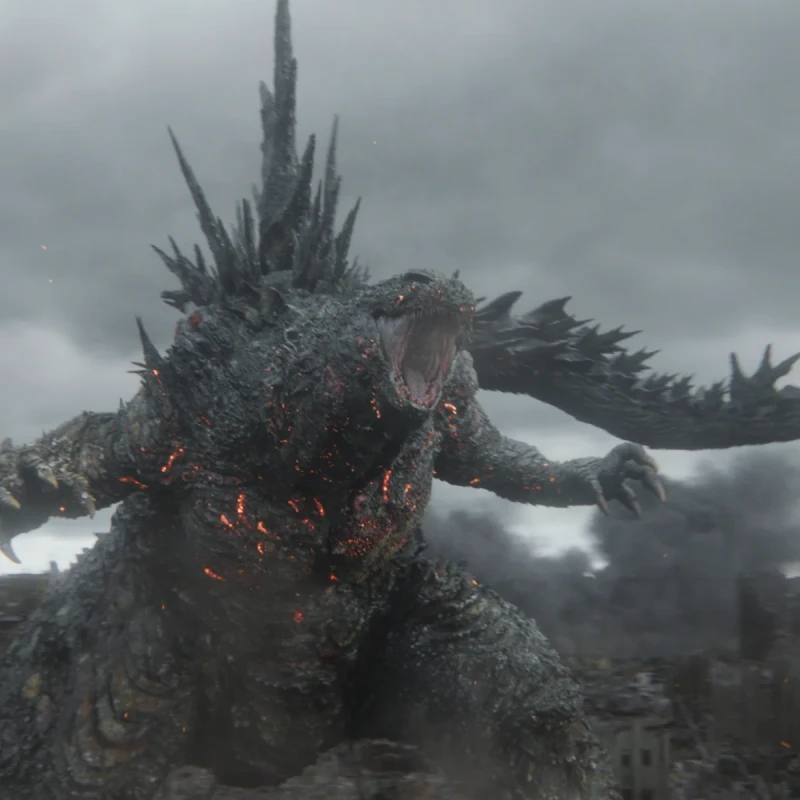
When the ground begins to tremble, skyscrapers rattle like fragile glass, and a deafening, metallic shriek tears across the skyline, every fan on Earth knows the exact same thing: the King of the Monsters has arrived.
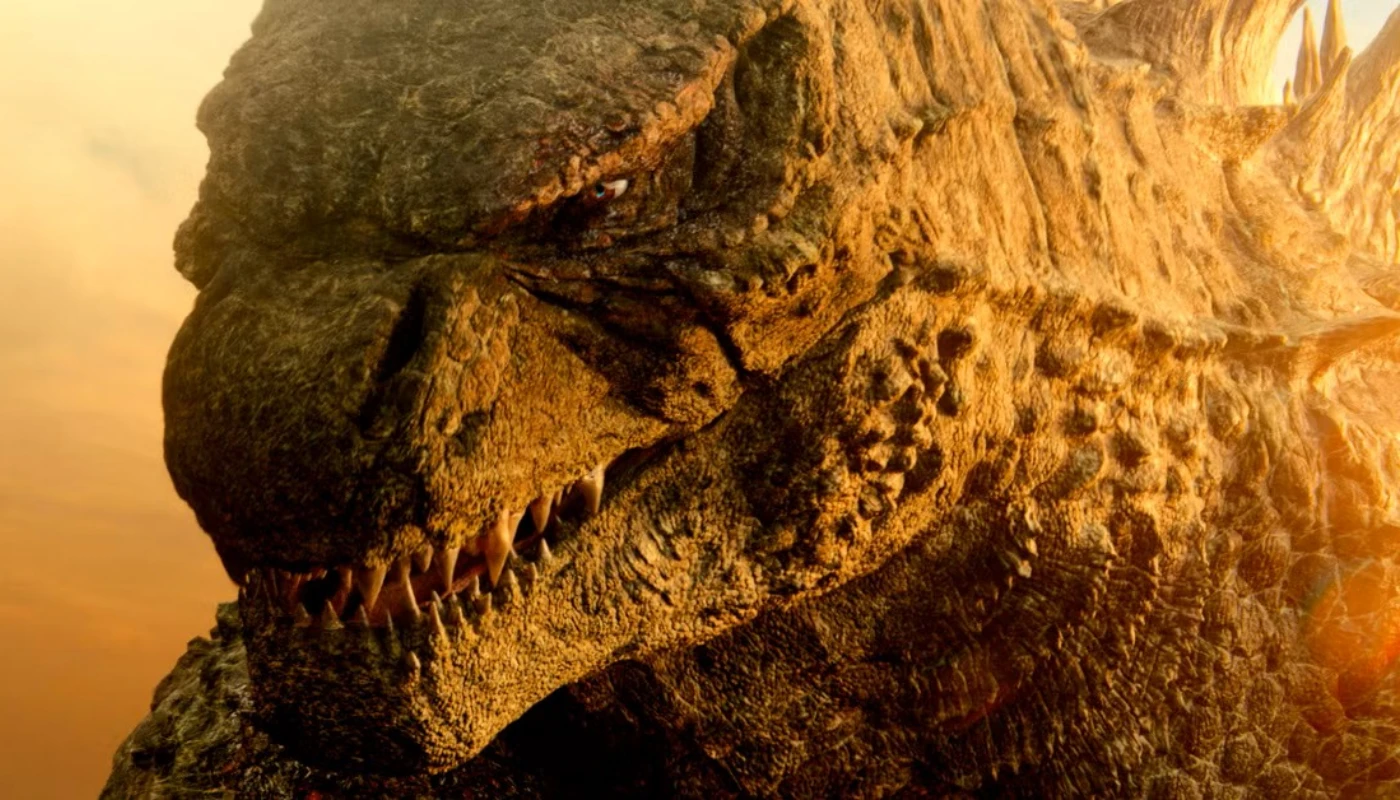
For more than seventy years, Godzilla (Gojira) has reigned supreme as the undisputed titan of cinema, pop culture, and giant-monster mythology. Forged in the radioactive fires of post-war Japan in 1954, this towering leviathan began life as a haunting, nightmarish warning against nuclear hubris—a walking cataclysm born from humanity’s deadliest weapons. Yet across more than three dozen films, animated series, comic book epics, and blockbuster video games, Godzilla refused to stay trapped in a single box. He evolved into a heroic defender of planet Earth, a tragic force of nature, a cosmic brawler, and an ancient Alpha Titan keeping the natural order alive.
Across more than seventy years on screen, the franchise has repeatedly proven why no monster commands the spotlight quite like Godzilla. From Takashi Yamazaki’s record-shattering Godzilla Minus Zero redefining prestige kaiju cinema to Legendary’s MonsterVerse expanding into cosmic territory with Godzilla x Kong: Supernova, the King of the Monsters continues to conquer new generations of audiences. Whether you grew up cheering for rubber-suited kaiju brawls on Saturday afternoons or felt your theater seat vibrate from the bass of Legendary’s atomic breath, understanding Godzilla means diving into one of entertainment’s richest legends.
Grab your radiation suit and brace for impact—here is the ultimate Godzilla Comprehensive Character Summary, covering his explosive creation history, cinematic eras, atomic arsenal, iconic forms, greatest battles, allies, arch-rivals, and unstoppable cultural legacy. (And once you finish mastering his lore, be sure to check out our companion listicle: 20 Amazing Godzilla Facts: History, Powers & Lore!)
Creation & Publication History
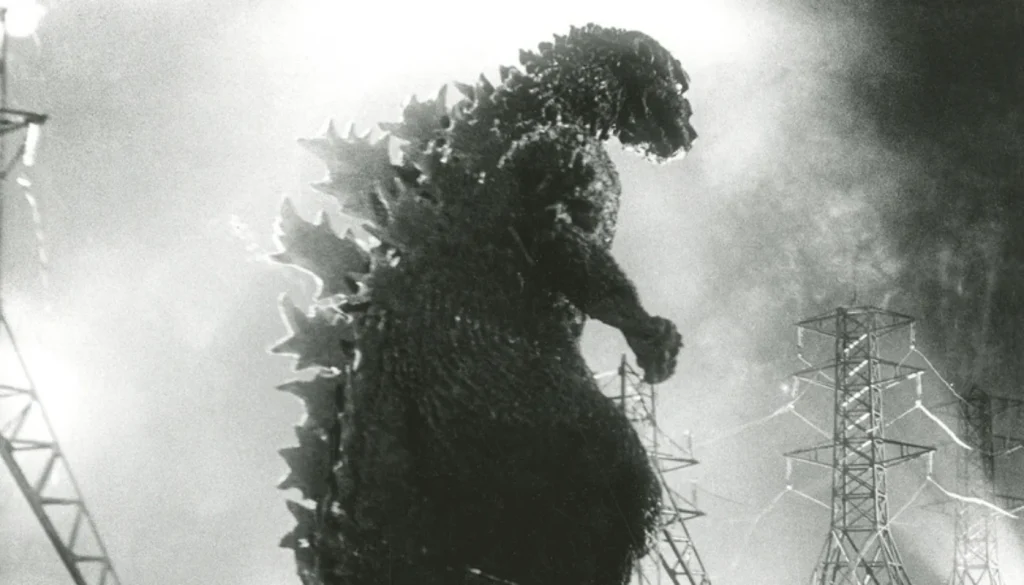
Every legend has a spark, and Godzilla’s began with a real-world tragedy that shook Japan to its core. In March 1954, a Japanese tuna fishing boat named the Daigo Fukuryū Maru (Lucky Dragon No. 5) drifted dangerously close to the United States’ Castle Bravo hydrogen bomb test at Bikini Atoll in the Marshall Islands. The crew was showered in lethal radioactive fallout—igniting nationwide outrage and reawakening the fresh trauma of the 1945 atomic bombings of Hiroshima and Nagasaki, less than a decade earlier.
Flying back from an aborted film shoot in Indonesia, Toho producer Tomoyuki Tanaka stared down at the vast Pacific Ocean and asked a chilling question: What if nuclear testing awakened an ancient monster slumbering beneath the sea?
Tanaka assembled a dream team of Japanese cinema pioneers to bring that nightmare to life:
- Ishirō Honda (Director): Having witnessed the devastation of Hiroshima firsthand while returning from World War II, Honda infused the film with solemn anti-nuclear gravity and emotional weight.
- Eiji Tsuburaya (Special Effects Director): Unable to use Hollywood-style stop-motion animation on Toho’s tight schedule, Tsuburaya invented “suitmation”—placing stunt legend Haruo Nakajima inside a grueling, 200-pound ventilated rubber and bamboo suit to stomp across meticulously handcrafted miniature cities.
- Akira Ifukube (Composer): Ifukube crafted the unmistakable, thunderous marching theme that still sends chills down fans’ spines—and famously created Godzilla’s iconic roar by rubbing a resin-coated leather glove across the loosened strings of a contrabass.
Even Godzilla’s name was born from pure monster-movie magic. Combining the Japanese words for gorilla (gorira) and whale (kujira), Toho christened their creation Gojira—symbolizing a creature with the unstoppable land strength of a giant ape and the aquatic dominance of a leviathan. When Gojira roared into Japanese theaters on November 3, 1954, audiences wept in the aisles, and cinema history was changed forever.
Major Eras & Incarnations of Godzilla
Unlike superhero icons who operate inside one continuous comic book timeline, Godzilla’s mythology thrives on reinvention. Across seven decades, Toho and Legendary have divided his screen history into distinct cinematic eras—each reshaping his size, origin, and moral compass:
| Era / Continuity | Years | Height Range | Defining Tone & Must-Watch Films |
| Shōwa Era | 1954–1975 | 50 meters | Begins as a grim atomic allegory (Gojira, 1954), then transforms into Earth’s heroic defender teaming up with Mothra and Anguirus (Ghidorah, the Three-Headed Monster, Godzilla vs. Mechagodzilla). |
| Heisei Era | 1984–1995 | 80–100 meters | Resets continuity back to 1954; portrays Godzilla as a towering, tragic anti-hero mutated from a prehistoric Godzillasaurus (The Return of Godzilla, Godzilla vs. King Ghidorah, Godzilla vs. Destoroyah). |
| Millennium Era | 1999–2004 | 55–100 meters | Bold standalone anthology entries with radical redesigns and fierce action, culminating in the globe-trotting kaiju spectacle Godzilla: Final Wars (2004). |
| MonsterVerse (Legendary) | 2014–Present | 108–120 meters (355–393 ft) | Reimagines Godzilla (Titanus Gojira) as a 250-million-year-old Alpha Titan restoring planetary balance (Godzilla, King of the Monsters, Godzilla x Kong: The New Empire, and 2027’s Godzilla x Kong: Supernova). |
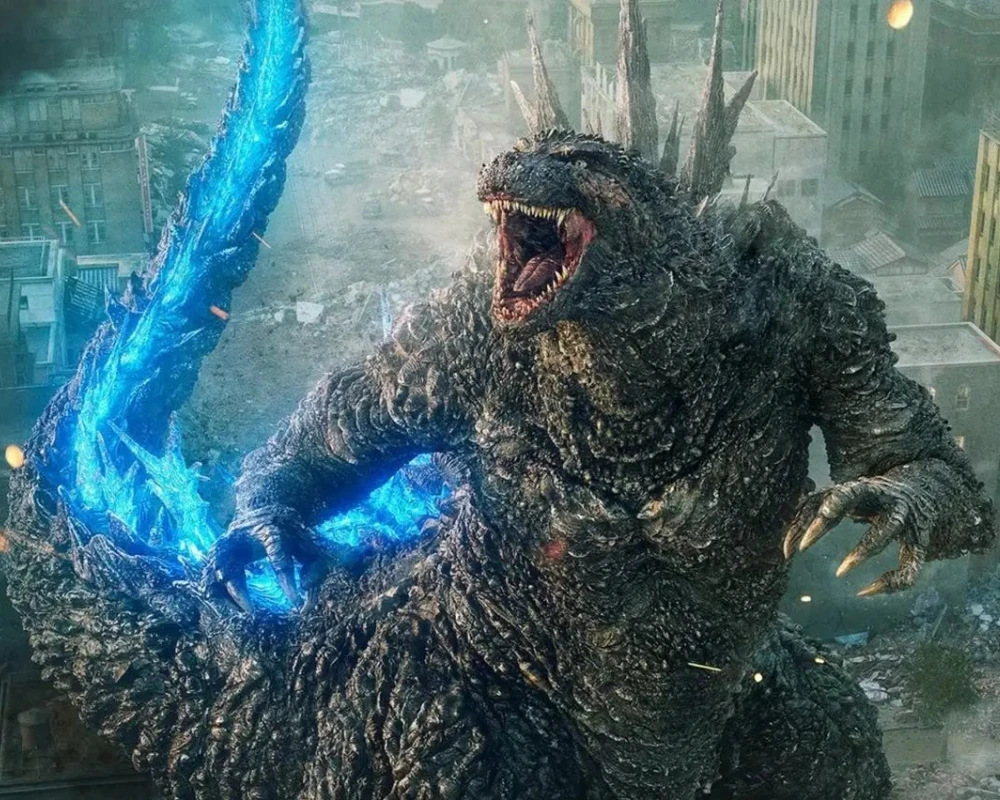
| Reiwa Era (Toho) | 2016–Present | 50–118.5 meters | Critically acclaimed modern masterpieces returning to visceral horror and human drama, led by Shin Godzilla (2016), Oscar-winner Godzilla Minus One (2023), and the record-shattering Godzilla Minus Zero (2026). |
Attributes, Biology & Atomic Powers
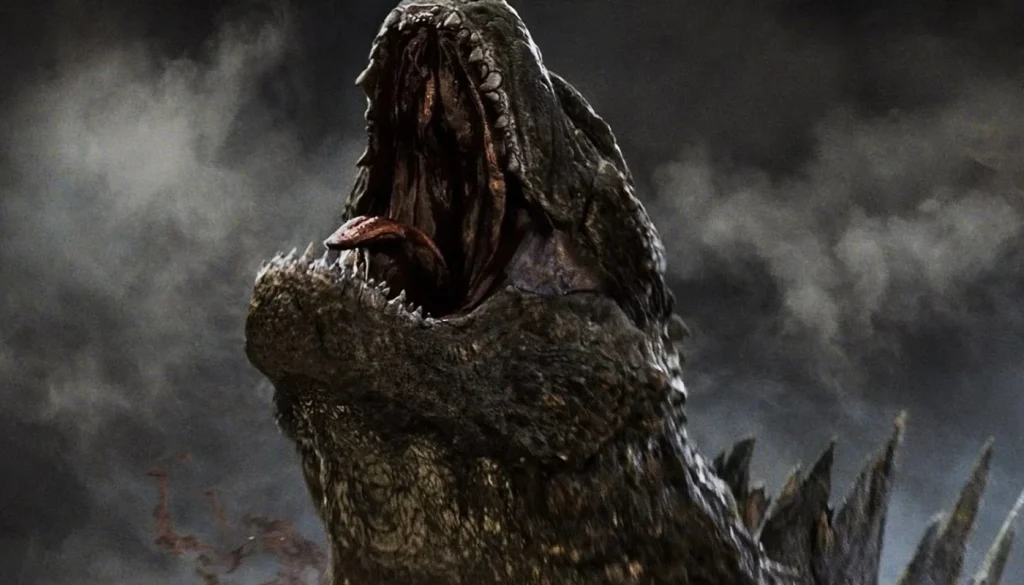
Strip away the era differences, and one rule remains absolute across every universe: Godzilla is a walking nuclear reactor wrapped in virtually indestructible armor. His biology combines apex prehistoric predation with staggering radioactive firepower:
- Atomic Breath (Hōsha Nessen): The most famous finisher in monster history. Whenever Godzilla prepares to fire, a low, electric hum builds in his chest as his jagged dorsal plates ignite sequentially from the tip of his tail all the way up to his neck. With a deafening discharge, he unleashes a concentrated torrent of superheated Cherenkov-blue radiation—capable of slicing warships in half, vaporizing skyscrapers, and even blasting a tunnel straight down to the Hollow Earth in Godzilla vs. Kong.
- Omnidirectional Nuclear Pulse: When surrounded by enemies or pinned down in close-quarters combat, Godzilla can vent excess radiation outward through every pore of his hide—detonating a blinding shockwave that blasts rival kaiju backward and incinerates anything within point-blank range.
- Impenetrable Osteoderm Hide & Rapid Regeneration: Tank shells bounce off him like pebbles, bunker-busting missiles barely singe his scales, and orbital drops fail to keep him down. Even when wounded by weapons like the Oxygen Destroyer or point-blank explosions, Godzilla’s specialized regenerative biology—known in Toho lore as Organizer G-1—knits flesh and bone back together at astonishing speed. In Godzilla Minus One and Godzilla Minus Zero, audiences witnessed his charred flesh visibly regenerate in real time within seconds.
- Amphibious Dominance & Titanic Strength: Weighing anywhere from 20,000 metric tons in 1954 to nearly 100,000+ tons in the MonsterVerse, Godzilla dominates both land and sea. Beneath the waves, gills allow him to breathe effortlessly while propelling his massive bulk at speeds over 40 knots. On land, his muscular arms, razor-sharp claws, crushing jaws, and whip-like tail pack enough kinetic force to hurl 100,000-ton opponents across city blocks.
- Alpha Sensory Awareness: In Legendary’s MonsterVerse, Godzilla possesses acute extrasensory perception that enables him to sense radiation surges, environmental imbalances, and rival Alpha Titans across entire oceans—allowing him to pinpoint threats before humanity’s satellites even detect them.
Iconic Forms & Transformations
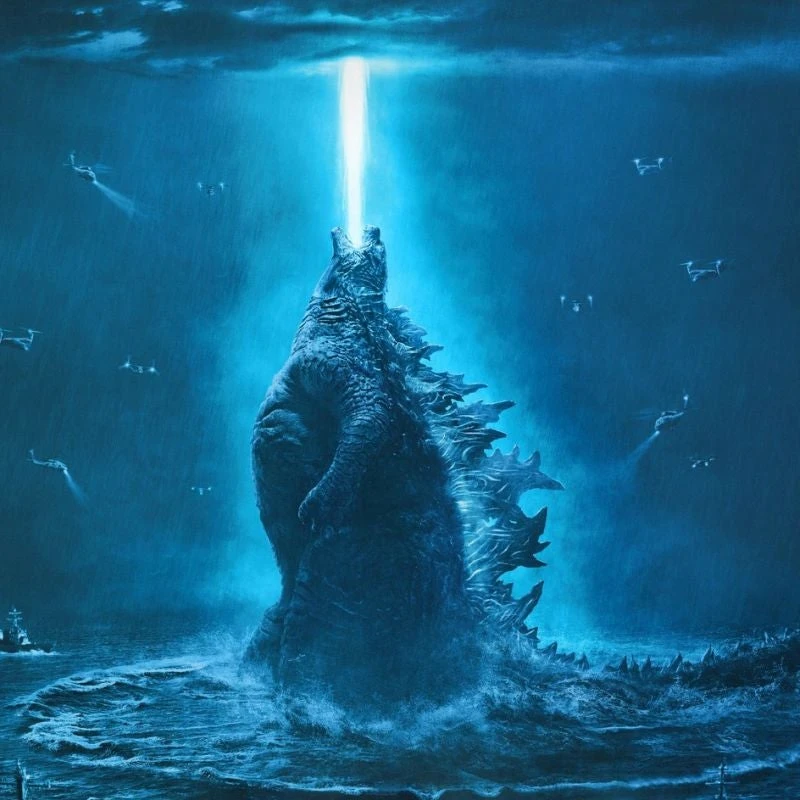
When standard atomic firepower isn’t enough to topple an existential threat, Godzilla’s bio-nuclear physiology pushes past its limits into jaw-dropping alternate forms:
- Burning / Thermonuclear Godzilla: First witnessed in 1995’s Godzilla vs. Destoroyah and resurrected in 2019’s Godzilla: King of the Monsters, this form occurs when Godzilla absorbs catastrophic levels of nuclear energy. Glowing like molten magma from within, his body radiates heat intense enough to melt surrounding steel on contact, while his spiral heat ray or thermonuclear Mothra pulses reduce even King Ghidorah to ash.
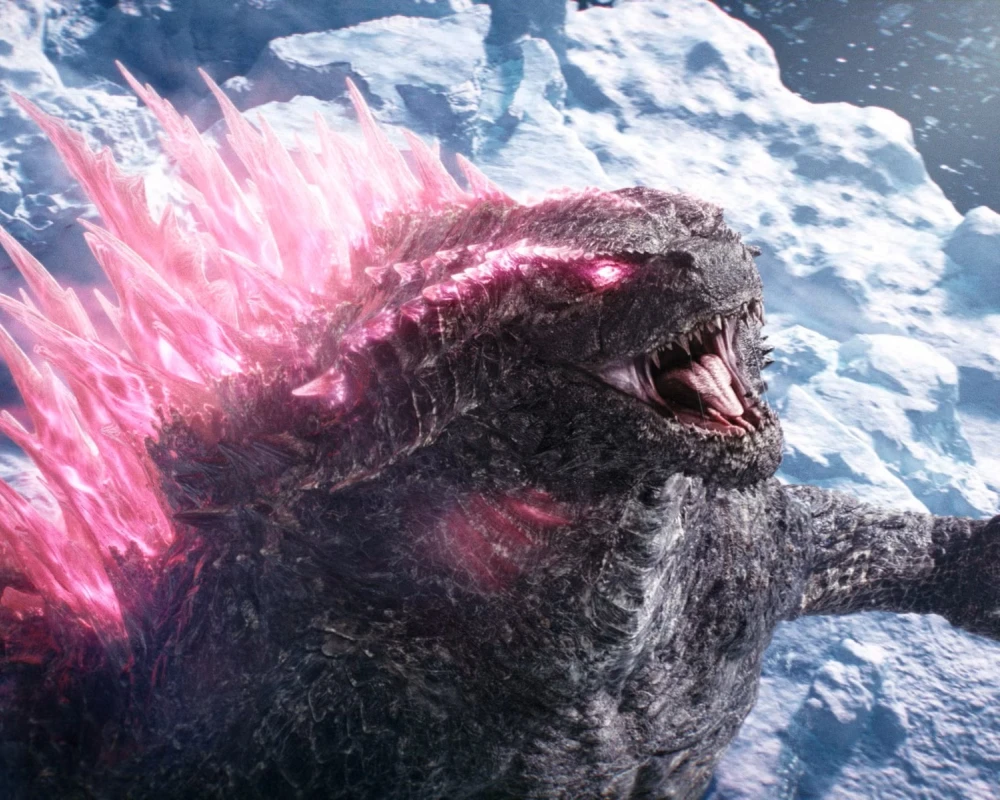
- Evolved Godzilla (MonsterVerse): Introduced in Godzilla x Kong: The New Empire (2024), Godzilla absorbed massive solar and nuclear radiation from Tiamat’s Arctic lair to prepare for the Skar King and Shimo. Emerging leaner, faster, and armed with razor-sharp magenta/pink dorsal plates, Evolved Godzilla boasts twenty times his previous energy capacity and unleashes a supercharged pink atomic beam.
- Shin Godzilla’s Rapid Mutations (2016): Hideaki Anno’s Shin Godzilla reimagined the monster as an agonizingly evolving organism that rapidly mutates through five distinct forms—progressing from a bleeding, gill-dragging aquatic creature to a towering titan capable of firing precision purple laser beams from his mouth, dorsal fins, and tail tip simultaneously.
- Supercharged / Energized Godzilla: Whether absorbing lightning strikes in King Kong vs. Godzilla (1962) or draining nuclear power plants to recharge, Godzilla actively feeds on radiation—turning humanity’s deadliest energy source into his ultimate battle fuel.
Weaknesses & Vulnerabilities
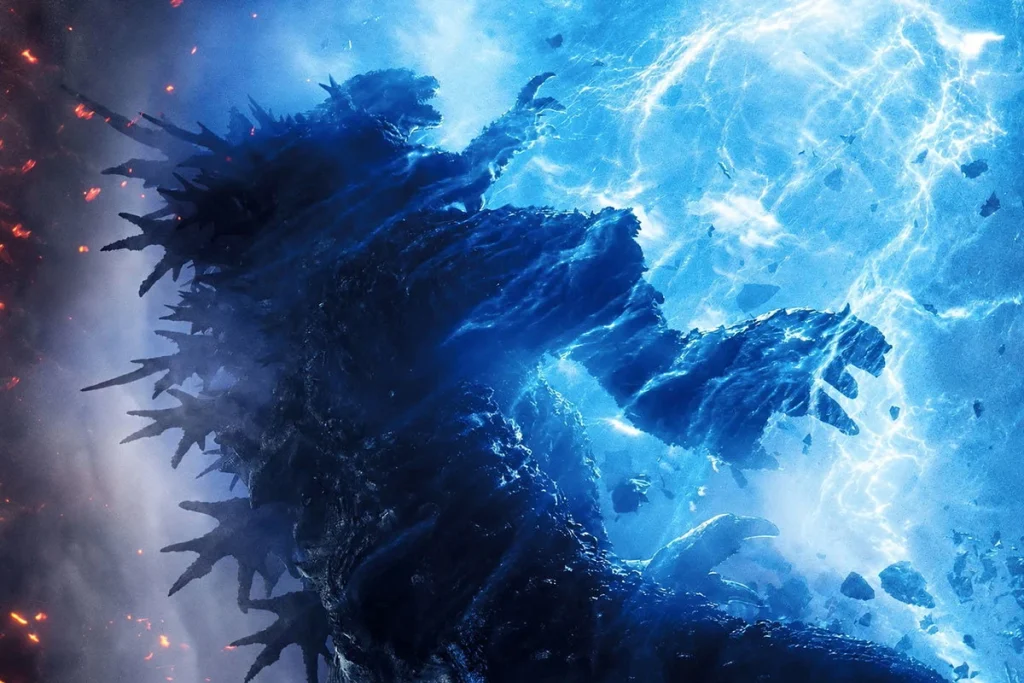
Despite seeming invincible on the surface, Godzilla is far from an untouchable deity—and his greatest battles often hinge on foes exploiting his rare vulnerabilities:
- The Oxygen Destroyer: Invented by the tormented Dr. Daisuke Serizawa in 1954, this horrific chemical weapon liquefies oxygen molecules in water, asphyxiating and dissolving the original Godzilla into a bare skeleton. A prototype version deployed by the U.S. military in Godzilla: King of the Monsters also came perilously close to killing MonsterVerse Godzilla.
- Nuclear Meltdown: Godzilla’s internal reactor is both his greatest weapon and his deadliest ticking time bomb. In Godzilla vs. Destoroyah, an unstable nuclear chain reaction threatened to turn his core into an extinction-level explosion capable of igniting Earth’s atmosphere.
- Extreme Sub-Zero Cold & Electricity: Across multiple eras, cryonic weaponry (such as the Super X3’s cadmium and freezer missiles) and Shimo’s absolute-zero Frostbite Blast have temporarily frozen Godzilla solid, slowing his nuclear metabolism. Similarly, intense electrical surges—like King Ghidorah’s gravity beams or Mechagodzilla’s proton scream—can stun or overwhelm him.
- High-Frequency Bio-Acoustics & Gills: In the MonsterVerse, Godzilla’s exposed gills are his softest external target, while specialized bio-acoustic frequencies (like the ORCA device or MUTO Prime’s sonic roar) can disrupt his equilibrium and shatter his dorsal plates.
Key Allies & Iconic Rivals
A king is defined by the company he keeps—and the enemies bold enough to challenge his throne. Over seventy years, Godzilla has built an unforgettable roster of cosmic allies and bitter arch-rivals:
Trusted Allies
- Mothra (Titanus Mosura): The benevolent “Queen of the Monsters” shares an ancient, sacred symbiosis with Godzilla. Across both Toho classics and the MonsterVerse, Mothra repeatedly sacrifices herself to shield Godzilla from lethal strikes or transfer her life force so he can rise stronger than before.
- Kong (Titanus Kong): What began as a brutal ancestral rivalry in King Kong vs. Godzilla (1962) and Godzilla vs. Kong (2021) forged into a powerhouse tag-team partnership. After joining forces to dismantle Mechagodzilla in Hong Kong and liberating the Hollow Earth from the Skar King in Godzilla x Kong: The New Empire (2024), Godzilla and Kong’s alliance even extends into the cosmos in Godzilla x Kong: Supernova (2027).
- Anguirus & Rodan: In Toho’s Shōwa era, the spiked ankylosaur Anguirus was Godzilla’s fiercest ride-or-die battle partner, while the supersonic pteranodon Rodan evolved from reluctant rival into a loyal aerial wingman.
Legendary Arch-Rivals
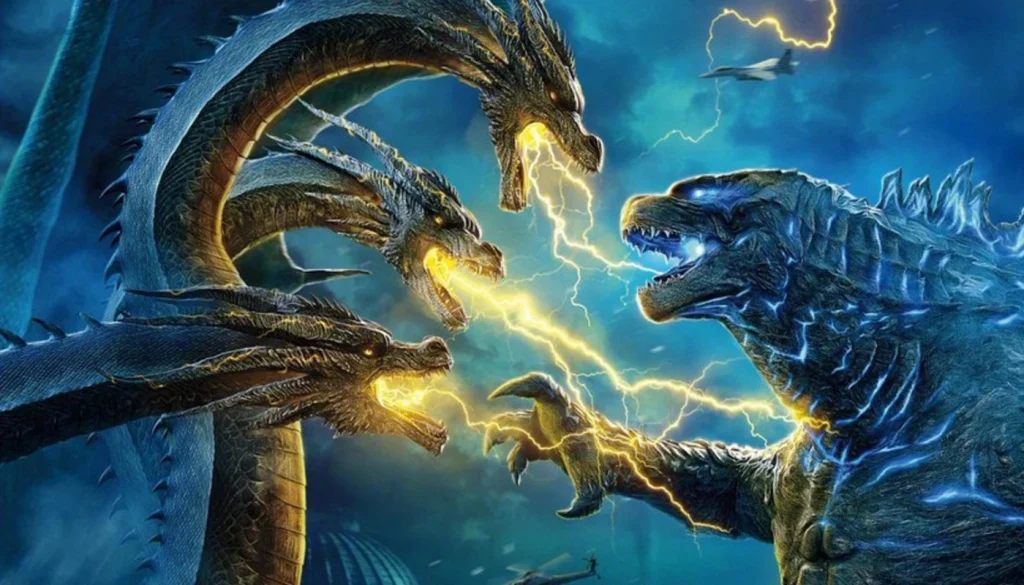
- King Ghidorah (Monster Zero): Godzilla’s ultimate nemesis. A towering, three-headed golden dragon from outer space who generates Category 6 hurricanes and fires lightning-like gravity beams, Ghidorah seeks to terraform Earth into a barren wasteland—forcing Godzilla into apocalyptic battles across centuries.
- Mechagodzilla: Humanity’s—or invading aliens’—mechanical answer to the King of the Monsters. Whether piloted by extraterrestrials in 1974, constructed around the literal skeleton of the original 1954 Godzilla (Kiryu), or powered by Ghidorah’s severed skull in the MonsterVerse, Mechagodzilla pushes Godzilla to the brink every time they clash.
- Destoroyah & SpaceGodzilla: Two of the most terrifying villains of the Heisei era. Destoroyah mutated from prehistoric crustaceans exposed to the 1954 Oxygen Destroyer—making him the physical embodiment of the weapon that killed the first Godzilla—while SpaceGodzilla was born when Godzilla cells drifted into a black hole and emerged as a crystalline cosmic tyrant (a fan-favorite menace widely reported to inspire the threat in 2027’s Godzilla x Kong: Supernova).
Greatest Battles & Defining Moments
If you want to understand why audiences cheer on their feet whenever Godzilla steps onto the battlefield, look no further than his most iconic cinematic showdowns:
- The 1954 Tokyo Rampage (Gojira): Still unmatched in sheer dread. Marching ashore through flaming streets while electrical towers melt like candles, the original Godzilla delivered an unforgettable, haunting spectacle that set the gold standard for monster cinema.
- The Ghidorah Rematch in Boston (Godzilla: King of the Monsters, 2019): Dropping into Boston flanked by military fighter jets as Akira Ifukube’s classic theme roars at full volume, Godzilla clashes head-on with King Ghidorah before unleashing Mothra-powered thermonuclear pulses that incinerate the three-headed dragon completely.
- Round Two in Neon-Lit Hong Kong (Godzilla vs. Kong, 2021): After Kong lands a direct hit with his charged Royal Axe, Godzilla snaps into pure primal fury—dropping onto all fours like an apex crocodile and relentlessly mauling Kong until the giant ape’s heart nearly stops, proving why he wears the Alpha crown.
- The Ginza Atomic Blast (Godzilla Minus One, 2023): Director Takashi Yamazaki turned Godzilla’s atomic breath into a terrifying nuclear detonation—complete with a mushroom cloud, black rain, and devastating shockwaves that left theater audiences breathless.
- The IMAX Spectacle of Godzilla Minus Zero (2026): Filming specifically for IMAX for the first time in Japanese cinema history, Yamazaki’s follow-up pushed Godzilla’s raw destructive scale even further—shattering Japanese live-action opening-day records and topping the North American box office.
Cultural Legacy & Modern Renaissance
Few characters in world history have crossed cultural borders as effortlessly as Godzilla. In 2004, to celebrate his 50th anniversary, Godzilla was awarded his own star on the Hollywood Walk of Fame—sharing pavement with cinema’s biggest human legends. Eleven years later, in 2015, Tokyo’s Shinjuku Ward officially appointed Godzilla a special resident and official tourism ambassador, complete with a life-sized Godzilla head peering down over the Shinjuku skyline.
Beyond film, Godzilla has conquered comic books (Godzilla: Half-Century War, Justice League vs. Godzilla vs. Kong), hit video games (Godzilla: Destroy All Monsters Melee, GigaBash, Call of Duty, and Fortnite crossovers), and collectible displays worldwide.
Few eras in cinema history rival the modern renaissance of the King of the Monsters. Between Toho’s Oscar-winning Godzilla Minus One and box-office juggernaut Godzilla Minus Zero redefining prestige kaiju cinema—and Legendary’s MonsterVerse expanding across Apple TV+’s Monarch: Legacy of Monsters and theatrical spectacles like Godzilla x Kong: Supernova—Godzilla isn’t merely surviving after more than seven decades. He is ruling the world